
Why Magic Mushrooms Might Help with a Variety of Brain-Gut Related Health Problems
In late 2017, while I was in a period of high stress (due to pushing myself too hard with school, work, socializing, and sports, and being in a toxic relationship with my ex-boyfriend), I fell into what I’ve taken to calling the “Psychosomatic Hell Spiral” after I was prescribed a round of powerful antibiotics to treat a skin infection, which wiped out my gut microbiome and triggered a two-and-a-half year episode of severe illness (migraines, gut issues, low appetite and inability to eat many foods (leading to and exacerbated by a sugar addiction), weight loss, anxiety, depression, fatigue, brain fog, dizziness, sleep problems, difficulty focussing etc) which only resolved when, as I detailed in my previous post, I hero-dosed magic mushrooms multiple times in a short period and effectively “reset” my microbiome and rewired my brain.
Now, to be clear, my health has never been all that good. The antibiotics merely exacerbated symptoms I already had and added some new ones (e.g. fatigue, brain fog, dizziness, weight loss and reduced appetite). Mental health problems, substance abuse, and “neurodivergent” traits run in my family, my childhood was dysfunctional and often stressful, and I survived a one-storey fall onto the right side of my head when I was a year old; I have always been, and still am, neurodivergent*. I am, and always will be, healing, never fully “healed.” However, for over three years now, I have been migraine-free, able to sleep soundly, and my gut issues have dramatically improved, even though I am still sensitive to many drugs, refined sugar, and alcohol. I am less anxious, less depressed, less fatigued (despite being the mother of an almost two-year-old!). I no longer have problems with brain fog or dizziness, and I was able to stop taking the ADHD medication I was prescribed after my first big mushroom trip. I also have chronic shoulder and neck pain, which I assume was caused by my accident (and is noticeably worsened by stress), which I’ve been treating with massage therapy, acupuncture, and yoga. I used to rely on ibuprofen for my chronic pain but now I avoid pain-killers after learning more about how they might have been triggering or worsening my other symptoms (e.g. ibuprofen screws up your gut, Tylenol depletes glutathione, and there’s many reasons why smoking as much marijuana as I used to was a bad idea).
The Psychosomatic Hell Spiral refers to the tendency for people with mental health diagnoses (and/or diagnoses like ADHD and autism) to also be diagnosed with multiple chronic physical health problems (and vice versa), to suffer socially and relationally from their ailments, and to struggle with self-care tasks such as healthy eating and exercising. These factors interact and exacerbate each other in a complicated feedback loop, leading to worsening symptoms which can feel impossible to escape from. In the Psychosomatic Hell Spiral, the brain-gut is dysfunctional or disrupted in some way (e.g. gut dysbiosis), causing both physical and psychological symptoms.
For example, physical illness or chronic pain might result in a person staying home and avoiding going outside—the isolation and loneliness from reduced social interactions then trigger depression and/or anxiety, which worsen the illness/pain, which then lead to more staying home. If the sick person doesn’t have a good support system or lives alone, they might struggle to eat healthy, leading to low levels of certain nutrients and hormone imbalance. Poor diet then exacerbates mental health problems and physical illness. Staying inside could lead to or exacerbate a Vitamin D deficiency (the “sunshine” hormone), which then screws up calcium, magnesium, serotonin, and melatonin levels, leading to cascading symptoms such as poor(er) sleep, depression, fatigue, tachycardia, muscle aches and pain, and other issues. Loneliness (lack of oxytocin, or the “love hormone”) will exacerbate stress and affect cortisol. Chronic stress depletes magnesium, zinc, calcium, and iron. This could lead to the person being prescribed medications that might worsen other symptoms as well; for example, the ADHD medication (atomoxetine) I was on made my gut issues worse, and SSRIs and other psychiatric medications can affect levels of iodine, Coenzyme Q10, magnesium, melatonin, Vitamin B2, Vitamin B6, Vitamin B12, folate, Vitamin D, Omega-3s, glutathione, calcium, and others, all of which can cause or exacerbate psychological and physical symptoms.**
The descent into the Psychosomatic Hell Spiral is usually triggered by something such as a major life stressor, a viral infection (e.g. Long Covid and Chronic Fatigue Syndrome and other post-viral illnesses would all be examples of the Psychosomatic Hell Spiral being triggered by illness), or, as in my case, medications such as antibiotics that disrupt the gut microbiome (I know at least three other people, all women with trauma histories, who experienced similar symptoms to me after antibiotics) combined with living with a vulnerably narcissistic boyfriend who wouldn’t let me break up with him. People with histories of childhood trauma and/or mental illness and/or disordered eating are all more vulnerable to the Psychosomatic Hell Spiral, as are people with high-stress lifestyles, unhealthy or insufficient social relationships and support, unhealthy diets, or who take certain drugs or medications regularly that might increase vulnerability (e.g. birth control pills affect nutrient absorption, in particular of B vitamins, Vitamin C, magnesium, and zinc; excess refined sugar can affect levels of Vitamin C, Vitamin D, magnesium, calcium, and chromium, excess caffeine can affect Vitamin C, Vitamin D, B vitamins, iron, and calcium, and alcohol can affect B vitamins, Vitamin A, Vitamin C, Vitamin D, Vitamin E, Vitamin K, magnesium, selenium, and zinc). It also seems as though women are more vulnerable than men, but the various reasons (e.g. birth control pills) why this might be are beyond the scope of this essay.
Once you are in the Psychosomatic Hell Spiral, it is very difficult to escape. It can take years to recover, or longer. Even if you do escape the Psychosomatic Hell Spiral, you are more vulnerable to relapsing into it when a new trigger is encountered (in my case, the stress of the Covid lockdowns sent me deeper into the Psychosomatic Hell Spiral, with my low point being a stress-induced migraine which triggered cyclical vomiting, requiring a visit to the hospital at the end of March 2020).
People vulnerable to and/or stuck in the Psychosomatic Hell Spiral will usually accumulate a variety of diagnoses, including but not exclusive to: mood disorders, anxiety disorders, autism spectrum disorder***, ADHD***, chronic fatigue syndrome (or Long Covid), fibromyalgia, irritable bowel syndrome, migraine disorder, tension headaches, postural orthostatic tachycardia syndrome (POTS), Ehlers-Danlos Syndrome (EDS), dysautonomia, reproductive disorders like polycystic ovary syndrome (PCOS), endometriosis, and premenstrual dysphoric disorder (PMDD), and might be at a higher risk for developing an autoimmune disorder, and to experience chronic pain and/or insomnia. (Low Vitamin D, in particular, is associated with ALL of these conditions; you only need 10-20 minutes of sun exposure each day (less if you have light skin, more if you have dark skin), ideally in the morning and without sunscreen, to get your Vitamin D requirements for the day).
If you have one or more of these diagnoses or these symptoms are familiar to you, I recommend testing your nutrient levels, in particular Vitamin D, magnesium, calcium, iron, zinc, and B vitamins. Make sure you look at the results yourself—often results will come back “normal” when multiple nutrients are actually on the low end of the “normal” range and not healthy for the individual in question.
Now, all this nutrition talk might lead some people to the conclusion that switching to a healthier diet and/or taking supplements is enough to pull someone out of the Psychosomatic Hell Spiral. Generally speaking, I think most people, regardless of their health, would benefit from getting 10-20 minutes of daily sunlight, switching to a diet high in healthy whole foods (e.g. the Mediterranean diet), and limiting or eliminating refined sugar (fruit, raw honey, and real maple syrup are fine), processed foods, alcohol, and caffeine. However, this isn’t exactly easy for everyone to do, especially if they are chronically ill, as healthy cooking is often time-consuming and labour intensive (and, of course, healthy food is increasingly expensive and financially inaccessible). If you have gastrointestinal symptoms and/or disordered eating, it can be incredibly difficult to overcome body dysmorphia, food aversions and/or nausea to eat a healthy diet. And many people are addicted to or dependent on alcohol or drugs that affect their nutrient levels. Furthermore, nutrient absorption might be an issue even if you are eating a great deal of a certain nutrient. In other words, it might be necessary to address underlying microbiome issues and brain inflammation before dietary changes are possible and/or effective.
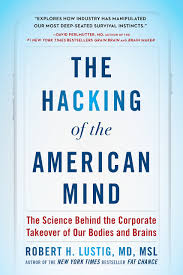
If you wish to learn more about the effects of refined sugar and processed foods on the body, I strongly recommend checking out Dr. Robert Lustig’s work in Metabolical: The Lures and Lies of Processed Food, Nutrition, and Modern Medicine and The Hacking of the American Mind.
~
Which brings me to psilocybin (note: I would be very cautious about trying this if you are under 25 and I do not feel comfortable recommending this for minors—see my previous blog post).
Psilocybin works because it addresses multiple issues simultaneously in the brain and gut primarily (home to our neurons and neurotransmitters), but also throughout the body. Psilocybin increases neuroplasticity and has anti-inflammatory effects, facilitates neurogenesis, and heals the serotonergic and dopaminergic pathways in the brain and gut.
In high doses, it also appears to have the ability to “reset” the gut microbiome (this may involve vomiting and frequent bathroom visits while it’s in your system) and heal the gut, and studies and anecdotes have shown psilocybin can be very effective for treating addictions, eating disorders, and obesity. After hero-dosing mushrooms, I was able to slowly reincorporate healthy foods into my diet that I had struggled to eat for over two years since the antibiotics (in particular meat and seafood), and over time and semi-regular use, I have been able to push myself to eat foods I’ve disliked all my life due to their strong taste or texture (including, hilariously, mushrooms, which I’ve always hated).
My husband and I have both also had experiences with high doses of psilocybin alleviating gastrointestinal issues, most recently when we came home from Mexico with symptoms of a parasite, and after about a week of suffering we both hero-dosed mushrooms; a big trip and a couple dramatic trips to the bathroom later, we were both completely fine. Do I fully understand this? No. But it’s obvious to me that psilocybin has very powerful healing effects on the gut, and as Hippocrates once stated, “All disease begins in the gut.”
In addition to addictions and disordered eating. studies and anecdotes have also found that psilocybin can be effective in treating PTSD, depression, anxiety, obsessive-compulsive disorder, migraines, cluster headaches, traumatic brain injury, autism, ADHD, Long Covid, chronic fatigue syndrome, autoimmune disorders, narcissistic personality disorder, pain in chronic Lyme and fibromyalgia, irritable bowel syndrome, and possibly even conditions like multiple sclerosis (MS) and Parkinson’s****. There is also speculation it could help with borderline personality disorder and other personality disorders.
Psilocybin is very safe—physically, that is. (Assuming you have a safe supply). While taking too much might be intense and unpleasant, there is no evidence that anyone has ever “overdosed” and died (it’s the same for LSD, check out this CNN story, “A woman took 550 times the usual dose of LSD, with surprisingly positive consequences.”) In The Hacking of the American Mind, Dr. Robert Lustig writes that “few users of psychedelics demonstrated either dependency or withdrawal upon quitting . . . Virtually no emergency room visits, no spike in crime, and no users rushed into rehab, as is often the case when dopamine agonists (e.g. cocaine) or opiates (e.g. heroin) are withdrawn.” (pages 112-113).
However, psychologically, there is a risk they could worsen your mental health. I have heard or read at least three (possibly four) stories of people committing suicide while high on or after doing mushrooms. And psilocybin studies have found that between 5% – 10% of participants report adverse effects / worse mental health after their trip (while over 80% report improvements—however, most of this research has been done on cancer patients). This article on bad trips is worth reading before trying psilocybin; “bad” trips can still be very meaningful and healing for people who have them.
The psychedelic effects of taking a large dose of psilocybin include can include plowing through your past, present, and potential future and seeing yourself more objectively. The mushroom spirit(s?) have a tendency to go through your life “Am I The Asshole“-style, which can be upsetting for people who come out a little more “A Christmas Carol” than “It’s A Wonderful Life.” I know two men who became depressed after a high dose of magic mushrooms in their early twenties because the mushrooms told them that they were major assholes (can confirm at least one definitely was)—however, they both became better people after their experience (here’s another example of this from reddit). While tough psychologically, this can be a big part of the healing experience.
I don’t get the impression the mushroom spirits are overly critical—my impression of them is that what they want from you is to at least be trying to be a “good” person (think The Good Place), and that they are generally understanding while blunt when pointing out that you’ve hurt others, fallen for and publicly supported or enforced an evil or corrupted or untrue ideology, or otherwise done harm with the intentions of doing “the right thing” or to be kind to others. At the same time, they can be very forgiving of mistakes you’ve made due to some combination of trauma, stress, chronic pain or illness, neurodivergence, malnutrition, and substance addiction, as long as you’re willing to listen and open to trying to heal and get better and learn from said mistakes.
There is significant evidence linking people with Cluster B personality disorders (narcissistic personality disorder, borderline personality disorder, antisocial personality disorder, and the recently-retired histrionic personality disorder) to a higher risk of suicide, in particular after suffering a “narcissistic injury”. A high dose trip can absolutely cause a narcissistic injury, so I urge utmost caution for anyone who has been diagnosed with a Cluster B disorder in the past (even if you believe it was a misdiagnosis). Psilocybin can also go awry for people with a high need for control and/or who firmly do not wish to change.
As well, if you have a family or personal history of bipolar disorder or schizophrenia (or risk factors for either or both conditions), then high doses of psilocybin might be a risk for mania or psychosis. There is also some evidence that bad reactions to psilocybin are more likely if you have heart or liver disease. You should also be very cautious if you have a history of suicidal ideation.
That being said, I did high doses of psilocybin despite having an uncle with bipolar disorder and some risk factors for schizophrenia (e.g. mathematical giftedness), and only experienced improvements to my mental health (perhaps some hypomania after the first few trips, but that was more related to meeting and falling in love with my now-husband during the same period), and studies have found that psilocybin use is associated with lower suicidal ideation. The problem here is that from my observation, people who are more open-minded and social seem to be more likely to use psychedelics in the first place. There’s limited data.*****
If any of this sounds familiar, I don’t recommend trying magic mushrooms without strong emotional support, substantial research beforehand (more than is in my blog posts), a safe setting, and some counselling beforehand and afterward.
However, it’s worth remembering that A Christmas Carol has a happy ending.
~
Now, as I explained in my previous post, psilocybin works best when used deliberately (with intention), therapeutically (as opposed to in a party setting), and when combined with other plant and food medicines that work synergistically (as well as with sunlight for that critical Vitamin D!). You want to use the window of neuroplasticity and microbiome reset to establish new, healthier patterns. I discuss this at length in my previous post, and include a tea recipe that worked really well for me and several others. Many of the ingredients in the tea (chamomile, green tea, hibiscus, raw honey, lemon juice, grapefruit juice, apple juice, olive oil, marijuana and/or ginger, turmeric and black pepper) work synergistically with psilocybin to enhance healing and the experience of the trip. If you haven’t read it already, I recommend doing so now or after you finish this essay.
As I explained above, the Psychosomatic Hell Spiral and related diagnoses appear to be related to nutrient deficiencies and hormone imbalance, as well as a history of trauma, in particular in early childhood (e.g. ongoing emotional neglect or abuse) and/or substance abuse (refined sugar and caffeine are counted as “substances” here) and/or the ongoing use of certain medications (e.g. birth control, Tylenol, NSAIDs like Ibuprofen). What I think is the best practice is to combine drinking magic mushroom tea with intermittent fasting (don’t eat for 3-5 hours before you take the medicine, and wait to eat until after you come down from the trip) and then eat an eclectic mix of healthy, nutrient-dense whole foods (nuts, berries and other fruits, homemade organic chicken bone broth, and foods high in pre- and probiotics such as high fat plain yogurt or kefir are all good options). If you have a sugar addiction, I recommend having a spoonful of raw honey every time you have a craving, until the cravings peter off and eventually disappear. I also strongly recommend standing in the sun for at least fifteen minutes, without sunscreen, while the tea is in your system, as the psilocybin and sun exposure (Vitamin D) will work synergistically, especially regarding serotonin.
You may have to do multiple big trips to achieve desired effects. I recommend doing a big dose once or twice a week over around a month (it took me about 3 weeks), and sticking to the whole foods diet throughout. Do not drink coffee, alcohol (unless you have a severe addiction, in which case, seek medical withdrawal management), or anything with refined sugar in it during this period (kombucha, tea with or without caffeine, and unsweetened juice are okay). Anecdotally, I am aware that some people use psilocybin to wean themselves off psychiatric medications (I took the atomoxetine I was prescribed up until the day after my first big trip, but was on a small dose). I strongly advise doing more research and consulting a doctor and/or experienced plant medicine practitioner before doing so.
When planning your healing diet, I think a best practice is to focus on foods that will address potential nutrient deficiencies and hormonal imbalances that might underly your symptoms. I’ve included a list of the common deficiencies seen in the Psychosomatic Hell Spiral, common symptoms of these deficiencies, diagnoses they associated with them, and recommended foods (and other natural healers, e.g. sunlight for Vitamin D) to address them.
While I focus on the sorts of consumables you put in your mouth in this post, it is important to note that your body absorbs nutrients and information in a variety of ways. One of the magic things about magic mushrooms is that they can help you identify things you are consuming that are hurting your physical and mental health. There are a lot of different non-food non-pharmaceutical products I now avoid after magic mushrooms told me to, including synthetic clothing fibres (I purged all the polyester in my husband’s and my wardrobe after a big trip), tampons (my periods have been FAR less painful!), and sunglasses (after 2-3 weeks of squinting my “photosensitivity” improved! And I’m sleeping better than ever—turns out when sunglasses block light from entering your eyes, it affects melatonin production, among other things). What’s touching your skin (we absorb nutrients through our skin), what goes in your eyes (sunlight, media etc), sounds etc are all important too. As silly as it may sound to some people, I am now hyper-aware of the difference in how I feel when standing barefoot on grass or dirt versus the hardwood floors of my living room versus the carpet fibres of my bedroom. “We are what we eat” should really be “We are what we consume.”
Magnesium
A magnesium deficiency is commonly seen in people diagnosed with autism/ADHD, chronic fatigue, fibromyalgia, irritable bowel, migraine, PCOS, endometriosis, and is associated with increased period pain and PMS symptoms in women and worse Covid-19 outcomes.
Symptoms of a magnesium deficiency include: appetite loss, nausea/vomiting, fatigue, weakness, shaking, pins and needles, muscle spasms, hyper-excitability, sleepiness, and abnormal heart rhythms, as well as mental health conditions, osteoporosis, high blood pressure, and asthma.
“Magnesium is a cofactor in more than 300 enzyme systems that regulate diverse biochemical reactions in the body, including protein synthesis, muscle and nerve function, blood glucose control, and blood pressure regulation. Magnesium is required for energy production, oxidative phosphorylation, and glycolysis. It contributes to the structural development of bone and is required for the synthesis of DNA, RNA, and the antioxidant glutathione. Magnesium also plays a role in the active transport of calcium and potassium ions across cell membranes, a process that is important to nerve impulse conduction, muscle contraction, and normal heart rhythm.” —[NIH Magnesium Fact Sheet]
Magnesium is also “essential” in converting Vitamin D into its active form in the body and transporting it into the blood. If you have a magnesium deficiency, your Vitamin D levels are likely affected too.
Regular consumption of refined sugar and and/or alcohol can deplete magnesium levels, as can excess intake of fluoride (e.g. if it’s added to the tap water in your area). You also need adequate amounts of Vitamin D, thiamine (B1), Vitamin B6, selenium, and Vitamin E to effectively process magnesium.
One of the tell-tale signs of a magnesium deficiency is chocolate cravings. Cocoa is high in magnesium. Unfortunately, as refined sugar depletes magnesium, consuming chocolate high in sugar is unsatisfying. Opt instead for chocolate bars that are at least 85% cocoa, or better yet, buy cocoa powder and add it to your smoothies or bake with it using a natural sweetener like maple syrup (here’s a healthy brownie recipe I use, conveniently also high in Vitamin E, B6, and selenium). Cocoa is believed to enhance the effects of magic mushrooms (I’ve found this to be the case!), so this is a good option for a snack the night or morning before drinking psilocybin tea. Mushroom chocolates (with a natural sweetener!) are also a good option for micro-dosing or smaller doses.
Other good dietary sources of magnesium include: avocados, nuts, seeds, legumes, tofu, whole grains, fatty fish, bananas, and leafy greens. Personally, I found I really craved nuts while going through my psilocybin healing process.
While I am generally sceptical of supplements, I now take a magnesium supplement every night a couple of hours before bed and have noticed a lot of benefits. It can be very difficult to get enough magnesium from dietary sources alone.
Vitamin D
Vitamin D is the big one. Every single condition I’ve mentioned above is associated with low Vitamin D levels (yes, even PTSD!), as are bipolar disorder, schizophrenia, asthma, allergies, dementia, diabetes, erectile dysfunction, heart disease, and various cancers.
Vitamin D is a steroid hormone responsible for regulating the expression of over 900 genes, and is involved in immune functioning, digestion, circulation, mood, muscle function, and the nervous system. The best source of Vitamin D is the sun (you need only 10-20 minutes, ideally in the morning and without sunscreen), but you can also get Vitamin D from cod liver oil, salmon, tuna, swordfish, sardines, and egg yolks. Mushrooms (both psychedelic and non-psychedelic) also contain small amounts of Vitamin D. Consuming healthy fats improve the absorption of Vitamin D.
Symptoms of a Vitamin D deficiency include: frequent illness or infections, fatigue, bone and back pain, depression, impaired wound healing, bone loss, hair loss, muscle pain, weight gain, and anxiety, as well as reduced endurance, sleep problems, head sweat, dizziness, heart problems, and reduced cognitive function.
Low Vitamin D levels lead to a cascade of other problems. Without it, you cannot absorb calcium or iron. Calcium deficiency can cause confusion, memory loss, muscle spasms, osteoporosis or weak bones and nails, numbness, depression, tingling, and hallucinations. Low Vitamin D can also affect magnesium levels (it’s a two-way street). Vitamin D is needed for serotonin and melatonin production and regulation, dopamine regulation, and enhances melanin synthesis. A tell-tale sign of a Vitamin D deficiency is pale, dry, dull-looking skin and frequent acne breakouts.
Vitamin D is also important for the regulation of estrogen biosynthesis and progesterone, and low testosterone and low Vitamin D are correlated, though the relationship between the two is unclear. Low hormone levels are implicated in fibromyalgia, whereas estrogen dominance is associated with endometriosis, PCOS, and PMDD.
Regular consumption of refined sugar, caffeine, and alcohol can all lead to a Vitamin D deficiency (and increased sunburn risk!). A diet high in seed oils can make you more sun-sensitive and sunburn-prone as well (which can, at the very least, indirectly affect your Vitamin D levels). As mentioned before, a magnesium deficiency can affect Vitamin D. Cholesterol (the good kind) is also needed to make Vitamin D from the sun, and it is also needed to make your sex hormones. If you decide to take a Vitamin D supplement, it is recommended you do so with Vitamin K.
Iron
An iron deficiency is common in people diagnosed with autism, ADHD (a severe deficiency is linked to a 30% increase in inattentive, impulsive, and hyperactive behaviours), depression, anxiety, Long Covid (it seems a Covid infection can aversely affect iron levels, putting people who already have low levels at a higher risk), POTS, fibromyalgia, migraine, chronic fatigue, and PMDD. Women with endometriosis or PCOS are at a higher risk for developing an iron deficiency, as are people with irritable bowel syndrome. Disordered eating can also cause an iron deficiency, and be exacerbated by one.
“Iron is an essential element for almost all living organisms as it participates in a wide variety of metabolic processes, including oxygen transport, deoxyribonucleic acid (DNA) synthesis, and electron transport.” —[Review on iron and its importance for human health]
Symptoms of an iron deficiency include: extreme fatigue, weakness, pale skin, chest pain, fast heartbeat, shortness of breath, cold hands and feet, inflammation or tongue soreness, brittle nails, abnormal cravings for non-food substances like dirt (PICA), and poor appetite, as well as headaches, dizziness, and a tingling in the legs.
Often, the problem isn’t iron intake, but iron absorption. An imbalance in zinc or copper levels can affect iron. Excess alcohol, refined sugar, and caffeine might all adversely affect iron levels by depleting Vitamin D, which is necessary for iron absorption. Smoking might also contribute to an iron deficiency.
Iron-rich foods include red meat, eggs, seafood, leafy greens, beans and lentils. It is a good idea to eat iron-rich foods with something high in Vitamin C as this helps absorption. Hibiscus tea is a good source of iron, which is a reason why this is a good ingredient in your mushroom tea.
Zinc
A zinc deficiency is common in people diagnosed with autism, ADHD, fibromyalgia, chronic fatigue, POTS, migraine, depression, anxiety, endometriosis, PCOS, irritable bowel, and has been found to be related to Covid-19 severity. Disordered eating can cause or exacerbate a zinc deficiency, and a zinc deficiency can cause decreased appetite and loss of taste, worsening disordered eating. A zinc deficiency is common in Type II diabetes.
Symptoms of a zinc deficiency include slower wound healing, weaker immune system and higher risk of infections, blurry vision, appetite loss and weight loss, hair loss, diarrhoea, loss of taste and smell, slow growth in children, brain fog, and drops in blood sugar. Excess consumption of refined sugar and/or alcohol can deplete zinc in the body.
Zinc is found in meat, shellfish, legumes, seeds, nuts and peanuts, dairy, eggs, whole grains, potatoes, sweet potatoes, and dark chocolate.
Glutathione
Glutathione is a powerful and important antioxidant “involved in tissue building and repair, making chemicals and proteins needed in the body, and in immune system function,” and in the detoxification of “mercury, arsenic, lead and cadmium.” Inadequate glutathione levels result in toxins and heavy metals being stored in fat tissue.
Low glutathione is associated with autism spectrum disorder, ADHD, fibromyalgia and chronic fatigue syndrome, irritable bowel syndrome, migraines, PCOS, and worse Covid-19 outcomes including Long Covid. Tylenol is a commonly-used painkiller which is known to deplete glutathione; I do not think it is a coincidence that many Long Covid sufferers report that they initially had a “Tylenol and Gatorade” case of Covid-19—unfortunately, the glutathione depletion from Tylenol use and the nutrient depletion from the refined sugar in the Gatorade would increase the likelihood of developing chronic illness and falling into the Psychosomatic Hell Spiral.
Foods that increase glutathione levels include almonds, avocado, turmeric (a good reason to add this to your psilocybin tea), milk thistle, okra, green asparagus, broccoli, and spinach, as well as all mushrooms (magic or otherwise!). Foods rich in sulphur, Vitamin C, selenium, and cysteine can also boost glutathione, as can exercise and getting enough sleep (bringing us back to the importance of Vitamin D).
Other
Other nutrients related to the Psychosomatic Hell Spiral may include calcium (if magnesium and Vitamin D are low, calcium is likely affected too), Vitamin C (most people have adequate intake if they regularly eat fruits and vegetables, but absorption might be affected if they also consume a lot of refined sugar, caffeine and alcohol and/or are on medications that affect Vitamin C, e.g. birth control pills), and the B vitamins: thiamin (B1), riboflavin (B2), niacin (B3), B5, B6, B7, folate (B9), and B12. Going by symptoms, you should also consider:
Vitamin E: Muscle weakness, coordination problems, numbness and tingling, loss of vision, poor immune functioning. Low Vitamin E has been found to be related to speech disorders in autism, and to fibromyalgia, chronic fatigue, and PCOS. Vitamin E is found in nuts, seeds, fruits, and vegetables.
Selenium: Infertility, muscle weakness, brain fog, fatigue, weakened immune system, and hair loss. Low selenium has been found to be related to autism, fibromyalgia, PCOS, and Covid-19 severity. The best source of selenium is Brazil nuts—you only need to eat 2-3 per day to get enough in your diet. Seafood and organ meats are also good sources.
Omega-3 Fatty Acids: Hair, skin, and nail problems, fatigue, sleep problems, attention difficulties, joint pain, allergy symptoms, excessive earwax, cardiovascular problems, and menstrual problems in women. Low Omega-3s are related to autism, ADHD, PCOS, depression, bipolar disorder, schizophrenia, and dementia, and possibly fibromyalgia and chronic fatigue. Having adequate levels of Omega-3s has been found to be protective against Covid. Omega-3 Fatty Acids are important for serotonin regulation, and having both a Vitamin D and Omega-3 deficiency increases the risk for many psychiatric disorders. Good sources of Omega-3s include fatty fish, flaxseed, chia seeds, walnuts, and soybeans.
This isn’t an exhaustive list. But psilocybin seems to help “reconnect” people to their bodies, to their microbiome, and I found that I started naturally craving certain (healthy) foods after doing a large dose that seemed to address my nutritional deficiencies.
~
How to Brew an Extra-Magic Healing Psilocybin Tea
Detailed instructions are in my “Psilocybin Tea Recipe” blog post. The original ingredients were magic mushrooms, marijuana, green tea, chamomile tea, hibiscus tea, olive oil, lemon juice, grapefruit juice, apple juice, raw honey, turmeric and a pinch of black pepper. Other good options to add to magic mushroom tea include ginger (instead of or in addition to marijuana for nausea), peppermint tea, and other medicinal mushrooms such as Lion’s Mane (a Stamets’ Stack), Chaga, or Turkey Tail (etc).
To prepare, steep all the ingredients except the juices in hot water for 15-20 minutes. Strain out the grounds/remove tea-bags and add the lemon, grapefruit, and/or apple juice. For a shorter, more intense trip, that’s a little easier on the stomach, add the lemon juice at the beginning with the tea etc.
This combo gives you a brew full of psilocybin, cannabinoids, Vitamin A, Vitamin C, Vitamin D, Vitamin E, Vitamin K, curcumin, apigenin, luteolin, quercetin, naringenin, bromelain, oleic acid, and various antioxidants and polyphenols (e.g. EGCG). You’ll also get traces of zinc, copper, selenium, iron, and Vitamins B2 and B12 through the green tea, potassium, magnesium, calcium, sodium, thiamin (B1), riboflavin (B2), folate (B9), iron, and zinc in the chamomile, calcium, magnesium, potassium, iron, zinc, niacin (B3), and folic acid (B9) in hibiscus tea, and calcium, magnesium, manganese, niacin, pantothenic acid, phosphorous, potassium, riboflavin (B2), and zinc from the raw honey. All mushrooms also contain glutathione and ergothioneine, including magic ones, so you’ll get some of that too.
This means the tea is:
- Anti-inflammatory: Cannabinoids have powerful anti-inflammatory properties, “exert[ing] their effects through induction of apoptosis, inhibition of cell proliferation, suppression of cytokine production and induction of T-regulatory cells,” and both psilocybin and turmeric and known to be anti-inflammatory too. Olive oil contains oleic acid and an antioxidant called oleocanthal, which are also very anti-inflammatory. Green tea also contains anti-inflammatory compounds, as does raw honey and chamomile. Furthermore, in 2020, researchers from Brazil discussed how naringenin, a flavanone found in grapefruit, has proven anti-inflammatory properties that may help protect from Covid-19. If you don’t want to use grapefruit because of possible drug interactions, orange juice can be a good substitute. Psilocybin has been found to have synergistic anti-inflammatory effects with eugenol, found in turmeric.
- Anti-viral: A 2021 review of polyphenols in green tea claimed that they “have antiviral properties, mediated through a variety of mechanisms”. Chamomile and hibiscus teas also have anti-viral properties. Raw honey also has anti-viral properties, as do lemons and grapefruit. Turmeric is also well-known for being anti-viral. Psilocybin itself might also be anti-viral. I’m going to throw it out there that my husband and I didn’t get Covid for the first three years of the pandemic and largely credit drinking this tea for that (as we actively socialized and had multiple exposures etc). We both took a break from mushrooms in the fall of 2022, and caught Covid for the first time in January 2023 (it was very mild, especially for me, and any lingering symptoms I had from Covid disappeared after I hero-dosed magic mushrooms using this recipe in late January).
- Wound Healing: As I discussed in my first essay, James Kent of MAPS has argued that “in addition to producing hallucination, psychedelics also stimulate cellular repair, cellular proliferation, and potential apoptosis, or cell death, in response to damaged or infected cells.” I have experienced significant physical healing on both psilocybin and ayahuasca (I actually think ayahuasca is stronger here, but not as readily available). Furthermore, raw honey is well known for its wound healing properties. The various ingredients in the tea also provide most of the nutrients (in varying quantities) you need for wound healing (Vitamin A, Vitamin C, Vitamin D, Vitamin E, Vitamin K, iron, zinc, and calcium). Quercetin also promotes wound healing (and this tea is loaded with quercetin). Combined with the psilocybin, this seems to have a powerful ability to heal both outer and inner wounds. (No, don’t pour the tea on a wound, drink it, and no, I’m not saying a massive cut will heal overnight if you do this. I don’t really know what the potential is here).
The tea recipe also has the following synergistic interactions (probably not a complete list, but what I found):
- The bioavailability of EGCG (an anti-viral compound in green tea) may be enhanced by Vitamin C (in the juices).
- The quercetin (apple juice, chamomile tea, hibiscus tea, lemon juice, grapefruit juice) helps the body absorb zinc (in raw honey and green, chamomile, and hibiscus tea, ideally also coming from dietary sources the day before and after you do your mushroom trip).
- Chamomile tea also contains a compound called apigenin, which has calming effects and can improve the trip, especially if you are anxious. For a high dose mushroom trip, you want to give up control and kind of “go with” the mushrooms, and apignenin can help with this.
- The fat in olive oil improves the bioavailability of the marijuana compounds and turmeric, which are both fat-soluable. Black pepper also improves the bioavailability of turmeric.
- Turmeric and quercetin may enhance the effects of Vitamin D (in mushrooms, but you also want to get some sun). It is possible that compounds in turmeric interact with Vitamin D receptors and/or that turmeric can improve Vitamin D levels.
- Raw honey is high in bromelain, a digestive enzyme that, among other health benefits, enhances absorption of quercetin.
- The citric acid in lemon juice converts psilocybin into psilocin, which makes it easier on the stomach. The earlier you add the lemon juice, the more psilocybin will be converted. This can make the trip shorter, but also makes the mushrooms stronger. I usually add it after the other ingredients have steeped, unless I only want to be high for under three hours (in which case I use less magic mushrooms).
- Vitamin C may increase glutathione levels and “reprocess glutathione by converting oxidized glutathione back to its active form.”
- Vitamin C also improves iron absorption (hibiscus tea).
- According to a blog post from an Amsterdam-based weed retailer, Vitamin C improves the body’s ability to absorb CBD. Another weed retailer claims that CBD has synergistic effects with Vitamin D. I have no idea if either is true, they don’t include links to a source. It would be interesting if it is.
If this sounds too complicated, a simple version that works almost as well is: magic mushrooms, chamomile, raw honey, turmeric and black pepper, and lemon juice. Add ginger and/or weed (or smoke weed) to manage nausea. I really think it works better if you use all the ingredients though (e.g. you’ll lose a lot of the iron and Vitamin K if you omit hibiscus, and a lot of the quercetin without apple juice, green tea, and hibiscus).
~
Similarities to the Spike Protein Detox Guide
While I was working on this essay, I stumbled across a social media post sharing a “Spike Protein Detox Guide” by an organization called the World Council for Health, which was founded in 2021.
I realize that mainstream media sources have stated that it is impossible to “detox” from the spike protein (from either the vaccines or Covid-19 infections). And the guide will be met with automatic contempt from many people because it lists Ivermectin (the human variety, for anyone out there still making “horse dewormer” jokes) as one of the ten detox essentials (we were in Mexico when my husband and I caught Covid, and he bought some Ivermectin over the counter to treat his symptoms … he felt better within hours after taking it).
The organization is clearly fringe: the only Canadian on the steering committee, Dr. Mark Trozzi, was barred from issuing medical exemptions for the Covid-19 vaccine in 2021 and was suspended from the College of Physicians and Surgeons of Ontario at the end of 2022 for “making misleading, incorrect or inflammatory statements about vaccinations, treatments and public health measures for COVID-19.” I’ve scanned their website and they are certainly opposed to vaccine mandates and discuss possible negative health consequences of Covid vaccinations.
What I was interested to note was how many of the active compounds in my psilocybin tea were discussed in the Detox Guide: turmeric, black pepper, and green tea are on the list, as is apigenin, luteolin (apples, chamomile) and quercetin (apples, lemons, grapefruit, and chamomile, green, and hibiscus teas). Naturally, Vitamins D (in mushrooms) and C are listed, and so is zinc (in the teas and raw honey). Fisetin, another compound in apples, is also on the list (also found in a study to be effective in reducing coronavirus mortality in mice). Rutin, found in green tea, is on the list. Hesperidin, in both grapefruit and lemons, is on the list, as is limonene (but as it’s only in the rind of lemons, not the juice, it’s not present in my tea recipe … though that’s easily rectified if you want to grate some of the rind of your lemon into it!).
Anyway, I’m not endorsing (or criticizing) the World Council for Health, which the editors on Wikipedia describe as a “pseudo-medical organisation dedicated to spreading misinformation about COVID-19 vaccines and promoting fake COVID-19 treatments.” (As an aside, one of the co-founders of Wikipedia recently told the online publication Unherd that he “no longer trusted” the organization he helped create). My only point is that it seems that by listening to psilocybin mushrooms and following their health advice to escape the Psychosomatic Hell Spiral and avoid Covid, I coincidentally arrived at many of the same conclusions as the WCH, and have seen dramatic improvements to my overall health from following them.
Another long post, but I hope some readers stuck with it.
~ Meghan
~
Notes:
* While I have many problems with neurodiversity activism, I still prefer the term “neurodivergent” over the various labels professionals and friends/family have given me or suggested over the years (and I don’t have a better word to use instead). The DSM is flawed in that it categorizes “disorders” based on clusters of traits instead of identifiable causes of dysfunction, which is a reason why it’s so common for people to receive multiple diagnoses or to be “misdiagnosed” multiple times (however, I use diagnostic labels throughout this essay for clarity). Furthermore, there really isn’t such a thing as “neurotypical”; everyone is different (I also find it extremely irritating that when I disagree with neurodiversity activists on social media, I’m accused of being “neurotypical”, when literally no one has or would describe me that way after just briefly interacting with me in the real world). I consistently get feedback that I’m pretty odd. While I have traits associated with many different diagnostic labels, the head injury I had is pretty unique to me (how many other people out there fell around 8-10 feet onto their head as a toddler?) and explains a lot of my symptoms (e.g. motor clumsiness, chronic pain), while genetics explain others (e.g. mathematical giftedness, a tendency to constantly fidget, high sensitivity combined with high pain tolerance), childhood stress explains others (e.g. chronic anxiety, GI issues), exposures to medications explain others (e.g. the antibiotics I took for ear infections as a kid and GI issues), and lifestyle factors explain others (e.g. I think I screwed up my brain further by reading too much as a kid, and my high sensitivity includes a sensitivity to substances). I also don’t like labels because they imply that my problems are static and symptoms cannot be improved, which I do not believe is true and certainly hasn’t been true for me. Diet is major for me, as I’ve had problems with magnesium, iron, and B12 deficiencies in the past and had far more distressing symptoms when these were out of balance. Exercise is also helpful in regulating what my father calls my “nervous energy.”
** I recommend speaking to a doctor before trying magic mushrooms if you are on any psychiatric medications, in particular any that affect serotonin. Unfortunately, SSRIs might prevent psilocybin from working properly, and I believe there is a (low) risk of serotonin toxicity with high quantities of both. While psilocybin is known to be very physically safe, I’m not familiar enough with the effects and interactions of different psychiatric drugs to feel comfortable telling people on these drugs to try magic mushrooms without first seeking professional medical advice (here’s an article that might be helpful).
*** Why are autism and ADHD listed as possible diagnoses associated with the Psychosomatic Hell Spiral? Well, people with autism and/or ADHD (the two are highly co-morbid) are more more vulnerable to the Psychosomatic Hell Spiral for a variety of reasons (e.g. higher sensitivity, including to various drugs and medications, co-morbid mental health conditions, poor social relationships, higher stress levels, and nutrient deficiencies associated with co-morbid eating disorders such as avoidant restrictive food intake disorder (ARFID)), and falling into the Psychosomatic Hell Spiral will exacerbate existing autistic and ADHD traits (which could lead to someone previously undiagnosed to seek a diagnosis). Autism and ADHD are also both associated with higher rates of substance abuse (in particular refined sugar and alcohol), and with several of the core nutrient deficiencies associated with the Psychosomatic Hell Spiral, in particular Vitamin D, but also glutathione, calcium, B vitamins, and iron, among others. So to be clear, I don’t believe magic mushrooms and diet and lifestyle changes can “cure” autism or ADHD (but they may be the closest thing there is to a cure—I do not think “science” will ever be able to deliver one; autism in particular I think can only be healed by the reconnection to nature, natural foods, the embodied self, and other people that psilocybin can facilitate, those this is by no means the only thing that can help). However, they may be able to alleviate distressing symptoms in some cases, depending on the underlying causes, which vary wildly from person to person. Autism in particular is not a unitary condition, but an umbrella diagnosis for a cluster of symptoms originating from a variety of genetic and environmental causes, and I suspect ADHD is the same; as Iain McGilchrist points out in The Matter with Things (2021), while there are infinite factors that can affect the functioning of a complex system, there are only so many ways that dysfunction can manifest. The association between low Vitamin D and autism and ADHD is particularly strong, so I do recommend trying to get out in the sun (when it’s available) for at least 15 minutes each morning without sunscreen and increasing your dietary intake of Vitamin D (e.g. fish, egg yolks, mushrooms), especially if sleep is an issue for you. Be cautious with Vitamin D supplements, as too much can be toxic.
As an aside, it’s worth noting here that the rise in autism diagnoses (and ADHD) has largely been driven by social media, and information on these websites tends to be very inaccurate. However, I think a complication here is that excessive social media and smartphone use can cause or exacerbate symptoms/traits associated with autism and ADHD—not just the screens themselves, but also the lack of healthy in-person socialization and excessive time indoors associated with them (leading to the aforementioned Vitamin D deficiencies).
**** However, there is stronger evidence that ayahuasca, a far more powerful (but harder to come by and more intense to experience) plant medicine, can help with MS and Parkinson’s. A documentary on YouTube discusses this around the 4:30 minute mark.
***** In terms of psychedelic therapy, I suspect ketamine might be a better option for people with suicidal ideation. The problem is that while psilocybin appears to have no risk for abuse or addiction, ketamine can become psychologically addictive. Excess use of ketamine can cause bladder damage, and if you are using it illegally and snorting it, also damage to the nose (and safe supply is an issue … you don’t want to end up snorting something else by accident). If you are interested in trying ketamine, I strongly recommend going to one of the many ketamine clinics that are popping up to get an infusion under medical supervision. I also have good reason to believe that ketamine can be helpful for chronic pain (especially when combined with light exercise).
 Meghan Bell